A History of Success in Supporting Popular Cultural Institutions
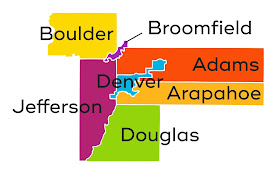
The Denver metro region’s Scientific and Cultural Facilities District (SCFD) is a unique and nationally envied model for cultural funding in the United States. Since its founding in 1988, it has provided steady funding to more than 200 cultural organizations and programs annually in the seven-county Denver metro area. It has maintained voter support in three elections to renew the tax. In this century the SCFD has received more than 60 percent support in two elections and was approved by a majority of voters in all seven counties in the metropolitan region.
Polling shows that the popularity of its highest profile cultural organizations make up the major contribution to the voter approval. The next most important attribute is the 35-year operational success of the SCFD program. The administration is frugal with limits on its expenditures and has stayed out of politics and controversy. As a government agency it has an exceptionally low negative rating and a positive reputation. Also, a key element for public support is the regional and comprehensive nature of the original funding design. Its three tiers guarantee funding for cultural programs from the local and county level to the region’s largest, most used and valued institutions, and reserves funds for more than 30 mid-sized organizations.
A polling question asked of 600 Denver metro voters in December of 2025 shows the support for the SCFD when it was linked to major cultural facilities throughout the seven Denver counties.
Question:
In an upcoming election, voters in the Denver metro area will vote on whether or not to extend the one-tenth of one-cent sales tax that funds the Scientific and Cultural Facilities District. It is not a tax increase. It helps fund the Zoo, the Botanic Garden, Butterfly Pavillion, museums, performing arts, nature centers and cultural programs and organizations throughout Arapahoe, Adams, Denver, Boulder, Broomfield, Douglas and Jefferson counties.
If you had to vote today, would you definitely support continuing the Scientific and Cultural Facilities District sales tax, probably support it, probably oppose it or definitely oppose continuing the district sales tax?
RELATED:
Art Funding in the Era of Austerity Apr 22, 2026
Denver Region Values Culture - CATZ Mar 25, 2026

 A voter casts their ballot at a drop box in Denver on Election Day, Tuesday, Nov. 5, 2024, in this file photo. (AP Photo/Chet Strange, File)